

AI is reshaping data center cabling: denser east‑west traffic, higher speeds (400G/800G+), tighter timelines, and zero tolerance for error. That means more fiber, prefabricated modular systems, meticulous testing, and evolving standards like ANSI/TIA‑942.
Why AI Changes Cabling
Traditional data centers handle predictable north‑south traffic. AI training needs constant, low‑latency communication between many compute nodes (east‑west). This drives leaf‑spine architectures, non‑blocking designs, and links up to 800 Gb/s or higher.
Density Is the Main Challenge
AI clusters need far more fiber connections per rack than enterprise setups. High‑radix switches and GPU fabrics multiply port counts.
Practical problems from high density:
-
Overfilled trays damage cables and increase loss.
-
Poor routing blocks cooling.
-
Dense patch fields make changes complex and error‑prone.
Solutions: high‑density fiber systems, clear cable pathways, strict fill ratios, and segmented cabling zones.
Faster Deployment → Prefabrication
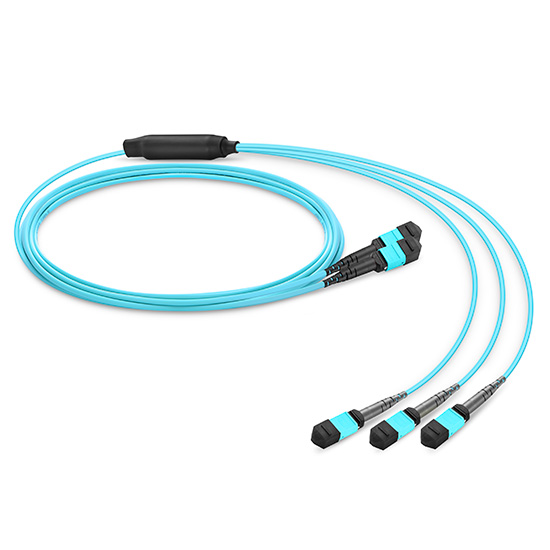
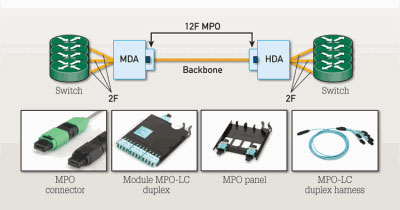
AI projects run on aggressive schedules. The industry is moving to pre‑terminated trunks, modular components, and factory‑tested systems. Less field termination, more integration. This requires tighter design coordination but cuts installation time and errors.
High Speed Requires Precision
400G and 800G are common, with higher speeds coming. Performance margins shrink. Insertion loss budgets are tight; connector quality and cleanliness are critical. Basic continuity checks are not enough – full optical testing is mandatory.
Cooling and Cabling Are Linked
AI equipment runs much hotter. Liquid cooling is increasingly used. Cabling must avoid interfering with cooling systems. GPU cabinets often need front‑accessible cabling. Installers must coordinate with mechanical and electrical teams.
Standards Are Evolving
ANSI/TIA‑942 remains the foundation, but a new addendum for AI/HPC is coming. It will cover high‑density cabling, GPU clusters, cooling, and power. Staying current means tracking updates and adapting installation practices.
Essential Best Practices
What used to be “nice to have” is now required:
-
Detailed labeling and documentation
-
Strict adherence to manufacturer specs
-
Full test systems
-
Clean fiber handling
The Bottom Line
AI changes the nature of data center cabling: higher density, faster speeds, shorter timelines, zero tolerance for error. Modular design, spare capacity, and flexible routing are key to avoiding costly retrofits.