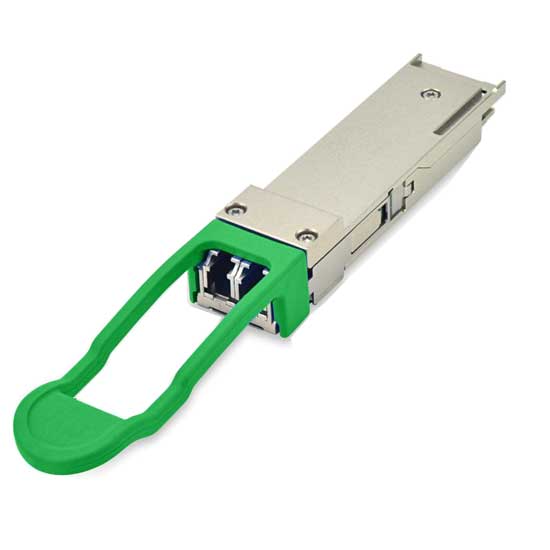


As a leading provider of third-party optical transceivers, TARLUZ understands the importance of Multi-Source Agreement (MSA) standards. MSA stands for Multi-Source Agreement – a document that defines the size, shape, electrical interface, and optical interface of optical transceivers. By following these standardized guidelines, manufacturers can design transceivers that are mechanically and electrically compatible with networking equipment from different vendors. This means devices from various suppliers can work together seamlessly in the same network environment.
Why MSA Matters – and Why TARLUZ Follows It Strictly
-
Freedom of choice – You can buy transceivers from different suppliers (including TARLUZ) and use them in the same equipment without issues.
-
Full flexibility – Network operators are not locked into a single vendor. TARLUZ gives you more options across different form factors and data rates.
-
Lower costs – Because many companies produce MSA-compatible products, competition increases and prices drop. TARLUZ offers high-quality, cost-effective alternatives to brand-name optics.
Relevant MSA Standards – TARLUZ Covers Them All
TARLUZ designs and manufactures transceivers in full compliance with the following MSA specifications. Whether you need SFP, SFP+, QSFP, or the latest form factors, TARLUZ has you covered.
SFP / SFP+
-
INF-8074 / INF-8074i: SFP Transceiver definition
-
SFF-8472: Digital Diagnostic Monitoring Interface (DDM)
-
SFF-8431: SFP+ 10G Electrical Interface
-
SFF-8432: SFP+ Mechanical dimensions (Module + Cage)
-
SFF-8470: SFP+ Direct Attach Cable (DAC)
-
SFF-8418: SFP+ Electrical Interface
-
SFF-8089: SFP Rate and Application Codes
-
SFF-8079: Application Selection for SFPs
SFP-DD
-
SFP-DD MSA: 200G/400G SFP Double Density Transceiver (defined by the SFP-DD MSA group)
XFP
-
INF-8077i: XFP (10G) Transceiver MSA
-
SFF-8477: Tunable XFP for ITU Frequency Grid Applications
QSFP+ / QSFP28
-
SFF-8436: QSFP+ 40G Transceiver
-
SFF-8665: QSFP28 100G Electrical Interface
-
SFF-8679: QSFP28 100G Electrical Connector
-
SFF-8680: QSFP28 Module and Cage
-
SFF-8636: Common Management Interface Specification (CMIS)
OSFP / QSFP-DD
-
OSFP MSA: 400G OSFP Transceiver (non-SFF, defined by the OSFP MSA group)
-
QSFP-DD MSA: 200G/400G/800G QSFP Double Density Transceiver
CFP / CFP2 / CFP4
-
CWDM MSA: Coarse Wavelength Division Multiplexing
-
LWDM MSA: LAN-WDM for 100G over single fiber
-
Open ZR+ MSA: 400G coherent pluggables for long-range use
SDM4 MCF MSA
-
4-Core Multicore Fiber for Passive Optical Connections (defined by the SDM4 MCF MSA group)
What “MSA-Compatible” Means for TARLUZ Customers
Every TARLUZ transceiver is coded with the necessary EEPROM information so that it works seamlessly in switches and routers from major brands. However, some original equipment manufacturers (like Cisco, Huawei, Juniper, Nokia, and Arista) program their devices to check for a specific vendor ID or checksum. If the transceiver is not “approved,” the device may reject it or show an error message like “unsupported” or “unapproved.”
This is not an MSA compatibility issue – it is a firmware-level lock designed to encourage purchase of brand-certified optics.
TARLUZ Solves This Problem
TARLUZ provides both standard MSA-compliant transceivers and firmware-coded versions that are fully compatible with locked equipment from Cisco, Huawei, Nokia, Juniper, Arista, and many others. Our optics are rigorously tested to ensure plug-and-play performance, low power consumption, and reliable operation.
Why Choose TARLUZ?
-
Fully compliant with all major MSA standards
-
Compatible with a wide range of switches and routers (Cisco, HW, Nokia, Juniper, Arista, HPE, Dell, and more)
-
Firmware options available to bypass vendor locks
-
Cost-effective without compromising quality
-
Backed by strong technical support and warranty